Define
Capture the vehicle, wheel geometry and operating context.
Our approach
Good purchasing decisions connect the people who specify, inspect and use the wheel.
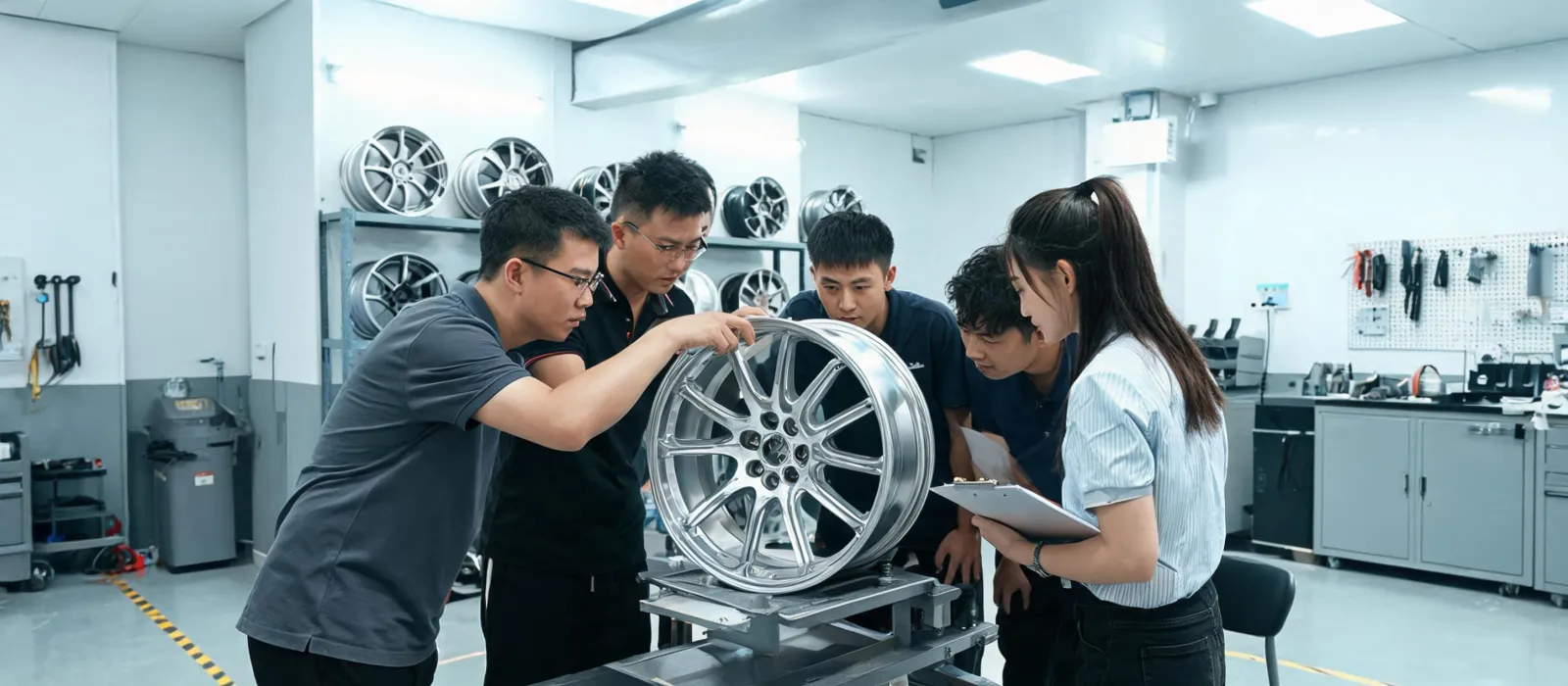
Wheel programs involve more than choosing a finish. The mounting interface must suit the vehicle, the load case must be understood, and each party needs a shared reference for what is being supplied. Our approach organizes those decisions into a conversation that can be reviewed.
Capture the vehicle, wheel geometry and operating context.
Separate dimensional questions from evidence and approval requirements.
Record the agreed configuration, order quantities and delivery expectations.
A useful recommendation begins with a defined vehicle and duty rather than a broad fitment claim. Clear dimensions make it easier to identify gaps before a wheel is ordered.
Drawings, revisions and acceptance criteria give engineering and procurement teams a common point of reference. Open questions stay visible until they are resolved.
Repeat orders benefit from documented specifications and a plan for changes. Delivery and replacement needs are part of the discussion from the outset.

Interface information links the wheel to the vehicle.

Inspection criteria and evidence support informed review.

Order timing and revisions connect the plan to delivery.
Quality-system documents, test reports and product regulations have different purposes. Request the applicable scope and current supporting records for your product and destination market; certification status should be verified before relying on it.
Tell us what you are sourcing and which information your team needs to assess it.
Contact the team